EU Mandates Google to Open Android and Search Data to AI Rivals
The EU's Digital Markets Act Strikes Again
In a monumental move to curb the dominance of major tech gatekeepers, the European Union has officially ordered Google to grant rival artificial intelligence (AI) companies deeper access to its Android operating system and search data. This legally binding decision, handed down under the Digital Markets Act (DMA), aims to foster innovation and ensure that smaller AI startups have a fair shot at competing with Google's own AI juggernaut, Gemini.
Breaking Down the Mandate: What Changes for Android?
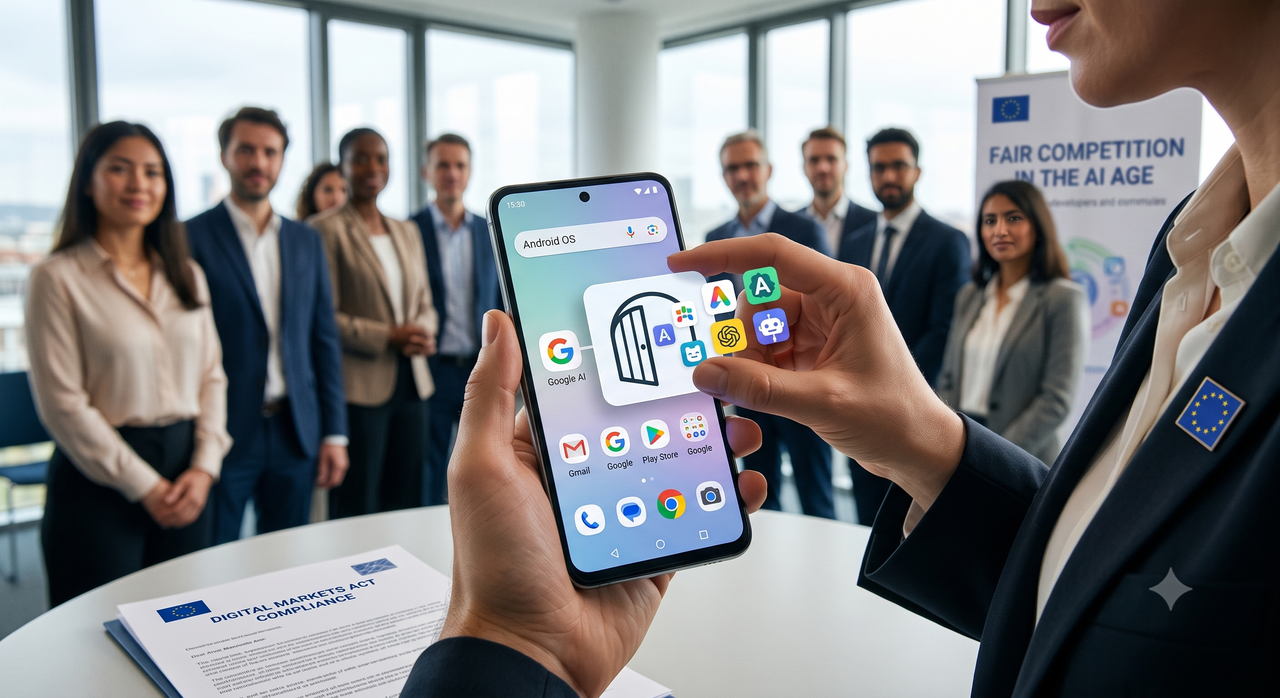
For Android users and developers, this ruling could dramatically shift the daily smartphone experience. Currently, the EU Commission notes that third-party AI assistants face restricted access to core Android functionalities. Under the new mandate, Google is required to allow alternative AI agents to run seamlessly on Android devices.
- Voice Activation Parity: Users will have the freedom to select a non-Google AI as their preferred default and wake it up using voice commands, mirroring the current functionality of Google's Gemini.
- Deep App Integration: Rival AI bots must be permitted to execute background tasks across applications, such as booking a taxi, drafting chat replies, or answering questions based on recent locations.
Google has been given a deadline of July 2027 to implement these sweeping interoperability changes across the EU Android ecosystem.
Leveling the Data Playing Field
The EU's directive doesn't stop at smartphone hardware. By January 2027, Google must also begin sharing its anonymized search data with eligible third-party search engines and AI chatbots. The Commission argued that this massive trove of accumulated user data creates a significant competitive barrier. By mandating data sharing—subject to a pricing methodology and cybersecurity assessments—the EU hopes to successfully "rebalance the playing field".
Google’s Response: A Warning on Privacy and Security
As expected, the tech giant hasn't taken the news lightly. Kent Walker, Google's President of Global Affairs, issued a stern warning regarding the potential fallout of the ruling. He argued that forcing Android to grant external apps such powerful and sensitive device permissions effectively removes crucial safeguards that keep devices secure.
Furthermore, Walker cautioned that exposing search data to unfamiliar entities without adequate anonymization could compromise user privacy, jeopardize business trade secrets, and even pose a threat to national security. While European officials maintain that integrity and privacy are paramount to the DMA, the tech world will be watching closely. Will this spark a new golden age of diverse AI assistants on our smartphones, or will it create the security nightmare Google predicts?