Apple’s September Event: iPhone 18 Pro Launch, 2nm Silicon, and Major Upgrades
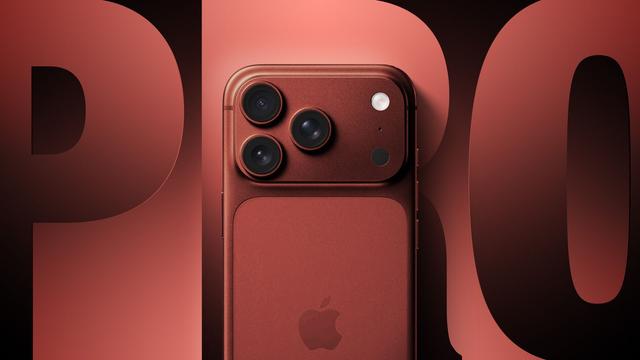
The tech world is bracing for Apple’s biggest showcase of the year. After months of mounting speculation, supply chain leaks indicate that Apple is preparing to unveil its highly anticipated iPhone 18 Pro and iPhone 18 Pro Max models in early September 2026.
However, this year’s release cycle brings a massive twist in strategy: Apple is reportedly splitting its lineup, launching the premium Pro models—and potentially its first-ever foldable device—this fall, while delaying the standard iPhone 18 until early 2027.
Here is a deep dive into the leaks, hardware specs, and engineering upgrades you can expect from Apple's next-generation flagships.
Expected Release Date and Pricing
Apple’s annual September launch window is a cornerstone of its logistics operations, allowing partners like TSMC to secure freight capacity and prepare high-volume semiconductor runs.
- Launch Date: Rumors point to an event on Wednesday, September 9, 2026.
- Price Hike Alert: Prepare your wallets. Rising DRAM memory chip costs and advanced components could drive up the starting price of the Pro lineup by $200 to $300. The iPhone 18 Pro is expected to start between $1,299 and $1,399, while the Pro Max could jump to an unprecedented $1,399–$1,499.
Under the Hood: The 2nm A20 Pro Chip
From a technical perspective, the most significant upgrade lies in the silicon. The iPhone 18 Pro series will be powered by the A20 Pro chipset, making it the first Apple device built on TSMC’s cutting-edge 2-nanometer manufacturing process.
This architectural shrink delivers serious hardware gains:
- Faster Processing: A 10% to 15% boost in CPU performance.
- Efficiency: Up to 30% better energy efficiency for extended battery life.
- Memory Integration: 12GB of RAM (using Wafer-Level Multi-Chip Module packaging) to seamlessly process on-device Apple Intelligence tasks.
Additionally, Apple is reportedly ditching Qualcomm in favor of its own in-house C2 modem. This next-gen modem supports mmWave 5G and 5G NR-NTN, meaning the phone will automatically switch to satellite connectivity if standard cellular coverage drops.
Design and Display Upgrades
While the overall chassis and flat edges remain familiar, Apple is refining the details:
- A Smaller Dynamic Island: By moving Face ID's flood illuminator under the LTPO OLED display, Apple is reportedly reducing the size of the Dynamic Island by up to 35%.
- Dimensions & Thermals: The iPhone 18 Pro Max will feature a massive 6.9-inch screen. It is also rumored to be Apple's bulkiest phone yet—measuring around 9mm thick and weighing over 240 grams—to accommodate a larger battery and a new vapor chamber cooling system for thermal management.
- New Colors: Expect a sophisticated palette featuring Light Blue, Dark Grey, Silver, and a new burgundy-like finish rumored to be marketed as Dark Cherry.
Cameras: Introducing Variable Aperture
Mobile photographers have reason to be excited. The Pro models will retain a versatile triple 48MP camera setup, but the main lens is slated to receive variable aperture technology. This allows users to physically control the amount of light hitting the sensor, offering professional-level control over depth of field and drastically improving low-light exposure.
Apple is also simplifying the side-mounted Camera Control button, reportedly removing touch and haptic feedback in favor of pure pressure-sensitivity.
The Takeaway: With a 2nm chip, in-house satellite modems, variable aperture cameras, and a potential foldable device sharing the stage, Apple’s September event is shaping up to be a major hardware leap. If you are holding onto an older model, the iPhone 18 Pro might just be the technical overhaul worth upgrading for.